
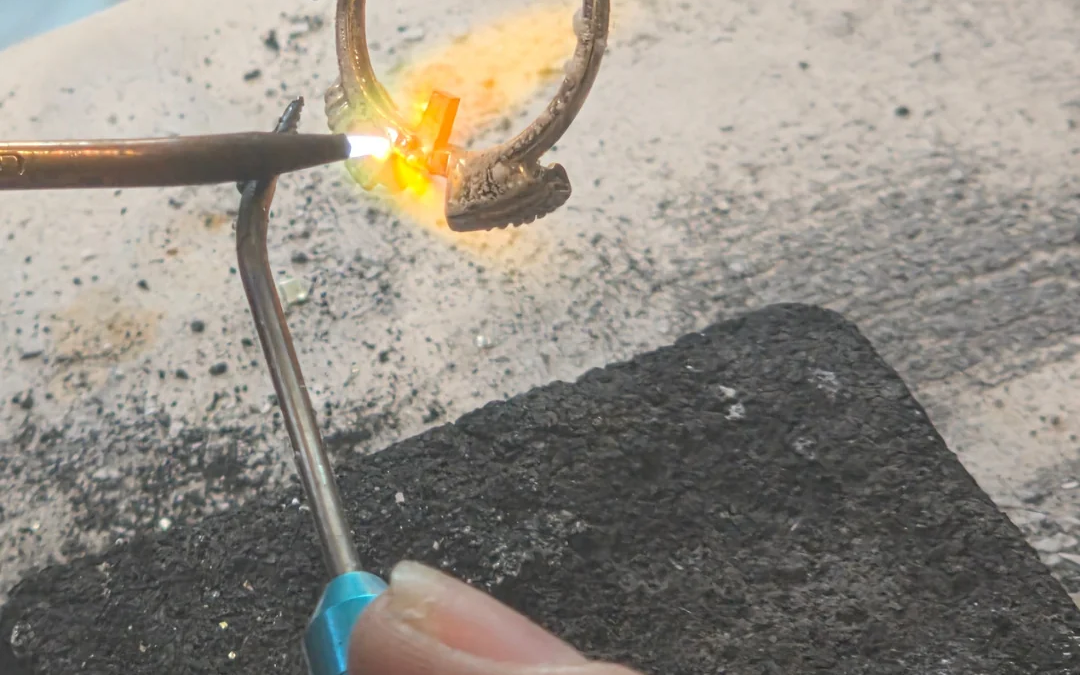
Introduction
A broken necklace, a loose gemstone, or a ring that no longer fits can leave you wondering whether your favorite piece is worth saving. The good news is that almost all jewelry can be repaired. The right solution depends on the material, type of damage, the piece’s condition, and how it was made.
Jewelry is more than adornment. It reflects our personal style, reminds us of a meaningful moment, and makes us feel good.
In this guide, we will explore common jewelry repairs and how to decide whether to repair or replace a piece.
Table of Contents
- What types of broken jewelry can be repaired?
- How do you know if jewelry is worth repairing?
- What should you do when jewelry breaks?
- Frequently Asked Questions
Quick Summary
Yes, many broken jewelry pieces can be repaired; broken chains, bracelet clasps, rings that need resizing, and pieces with loose or missing gemstones. The best repair method depends on the jewelry’s material, construction, and condition. If a piece contains delicate gemstones, intricate details, or significant wear, a professional jeweler can help determine the safest way to restore it.
What Types of Broken Jewelry Can Be Repaired?
From everyday favorites to special pieces saved for certain occasions, common jewelry problems have a solution. Understanding the type of damage is the first step toward determining what can be done.
- Broken Necklace and Bracelet Chains
Chains can break when they catch on clothing, are pulled, or experience everyday wear. Depending on the chain’s construction and metal, a jeweler may be able to reconnect the broken link or even replace a damaged section.
Fine chains and intricate designs may require especially careful work. If a chain repeatedly breaks in the same place, it may be worth having the surrounding links inspected for wear.
What to do: Avoid pulling the chain back together or using household glue. Store the broken piece safely and bring all parts to a jeweler for assessment.
- Broken or Damaged Clasps
A clasp that will not close, has a broken spring, or no longer holds securely can make a necklace or bracelet at risk for falling off or even getting lost. The clasp can be repaired or replaced.
The replacement should be appropriate for the chain’s weight, the jewelry’s design, and how the piece is worn. A secure clasp is particularly important for pieces you wear frequently.
Should the necklace get quite a bit of wear, a sturdier clasp may be available for replacement.
- Loose or Missing Gemstones
Gemstones can become loose when prongs wear down, settings are damaged, or a piece experiences an impact. A jeweler can inspect the setting and determine whether the stone can be secured again.
If a stone is missing, bringing the original stone if you have it, is helpful. Depending on the design, a suitable replacement may be available.
Important: If you suspect a stone is loose, stop wearing the piece until it has been inspected. Continuing to wear it could cause the stone to fall out and even lost.
- Rings That No Longer Fit
A ring that feels too tight or too loose is a candidate for resizing. Whether resizing is possible depends on the metal, design, setting, and amount of adjustment needed.
Hollow rings, eternity bands, tension settings, and designs with intricate details require extra care. A jeweler can explain the options for your ring.
- Bent, Worn, or Damaged Jewelry
A bent ring, worn prongs, or a damaged earring post are typically repairable. However, bending metal back into shape is not always the safest fix. Repeated bending can weaken metal, and worn settings may need more extensive attention and buildup of the metal.
For plated jewelry, the finish may also need to be restored separately from the underlying structure. Not every piece can be returned to its original condition, but a professional assessment can help establish realistic expectations.
How Do You Know If Jewelry Is Worth Repairing?
Deciding whether to repair a piece does not have to come down to its original price or material value alone. Consider these three factors before deciding.
- The Condition and Construction of the Piece
A well-made piece with localized damage may be a good repair candidate. Jewelry with extensive wear, multiple damaged areas, or a weakened structure may require more work.
The type of metal and gemstones matters, too. Gold, silver, platinum, plated metals, and different gemstones all have different repair considerations.
- The Cost and Complexity of the Repair
Repair costs depend on the work required, materials, replacement parts, and the skill involved. Replacing a simple clasp may be a straightforward job, while rebuilding a setting or restoring an intricate piece can be more complex.
Ask for an estimate before approving the work. If repairs are extensive, you can compare the estimated cost with replacement options and decide what makes sense for you.
- Your Connection to the Jewelry
Pieces may carry family history or memories of a particular person or moment. Others are simply favorites because of their shape, color, craftsmanship, or the way they complement your style.
Both are valid reasons to consider a repair.
You do not have to justify keeping a piece because it is sentimental, nor do you need a special story to restore something you enjoy wearing. If it feels worth keeping to you, it’s worth exploring your options. Other options can be reworking a piece into something new you love while including pieces of something sentimental to you.
What Should You Do When Jewelry Breaks?
If a piece breaks, simple steps can help protect it before you decide what to do next.
- Stop wearing it. Continuing to wear damaged jewelry can worsen the problem or cause a gemstone to be lost.
- Collect loose parts. Keep broken chains, detached clasps, loose stones, and any other pieces together in a small container.
- Store it safely. Keep the jewelry separate from other pieces to prevent tangling, scratches, or additional damage.
- Avoid improvised repairs. Household glue, pliers, and other DIY fixes may damage delicate components or make professional repair more difficult or impossible.sk a jeweler for an assessment. Describe what happened, explain how often you wear the piece, and ask what repair options are available.
A professional can explain whether the piece can be restored, whether any parts need replacement, and how to care for it afterward.
Frequently Asked Questions
Can all broken jewelry be repaired?
No. Although many common issues can be repaired, some pieces are too damaged or fragile for certain methods. A jeweler can evaluate the piece and explain the realistic repair options.
Is it cheaper to repair jewelry or buy a new piece?
It depends on the damage, materials, labor, and replacement options. A simple repair may cost less than purchasing something new, while extensive restoration can be more expensive. Request an estimate before deciding.
Can costume jewelry be repaired?
Sometimes. The possibilities depend on its construction, materials, plating, and the type of damage. Some costume jewelry can be repaired successfully, while other pieces may not withstand the necessary work.
How long does jewelry repair take?
Turnaround times vary according to the repair, availability of parts, and the jeweler’s workload. Ask for an estimated completion date when you request a repair assessment.
Final Thoughts:
Your Favorite Jewelry May Deserve a Second Look
When jewelry breaks, replacing it isn’t your only option. A damaged chain, a loose setting, or a ring that no longer fits may be repairable, allowing you to continue wearing a piece that works for your style and your life.
The best first step is to have the piece assessed by a qualified jeweler who can explain the available options and help you make an informed decision.
At Trails: Jewelry, Estate & Art, we believe jewelry should be enjoyed in the way that feels right to you. Whether a piece is part of your everyday routine, something you’ve worn for years, or simply a design you love, it’s worth exploring how to keep it wearable.
Have a piece that needs attention? Visit us online at trailsonfalls.com or in person.